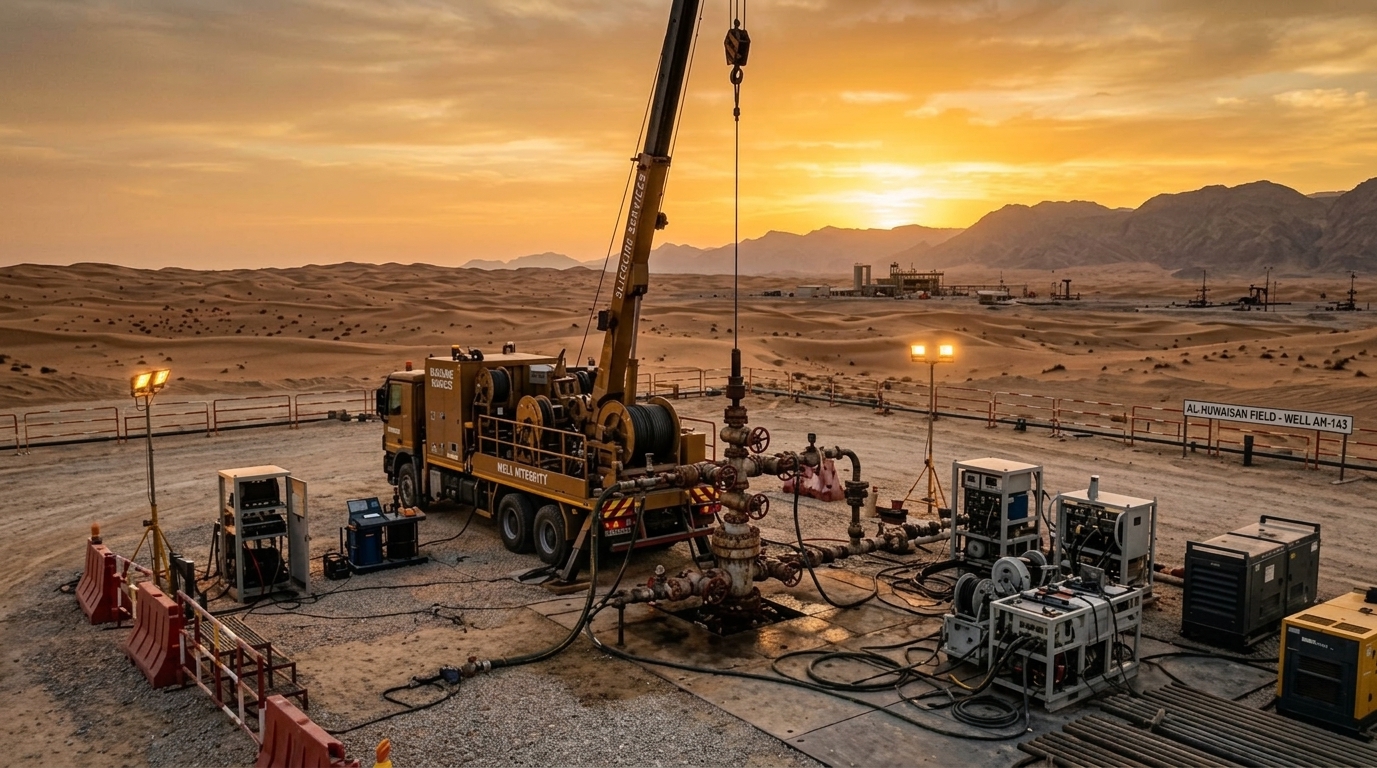
Minimizing damage during milling operations to protect the cement sheath and ensure well stability in thermal wells.
Protecting the Cement Sheath During High-Stress Operations
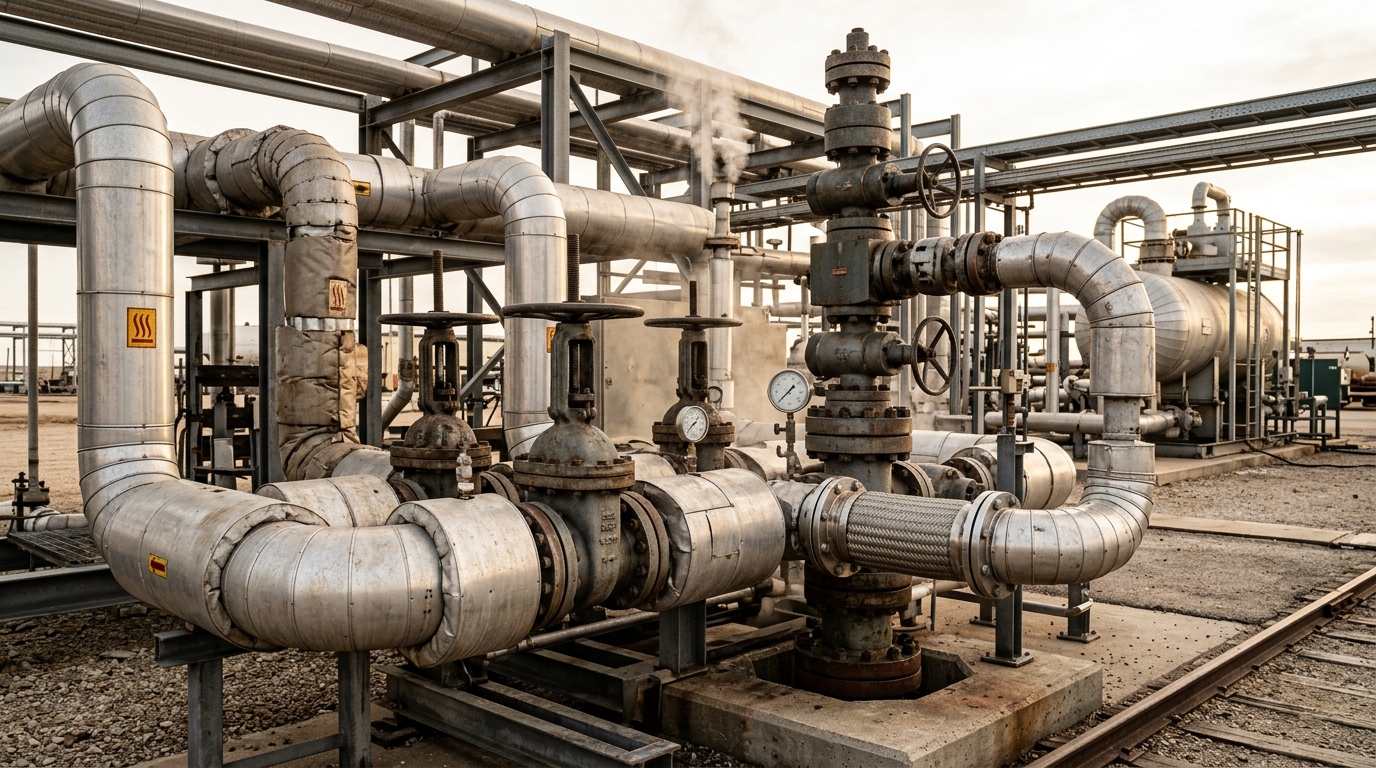
Thermal recovery wells operate under severe temperature gradients that make the cement sheath susceptible to brittle failure and micro-annular fractures. When intervention or milling is required, mechanical vibration can induce catastrophic barrier damage.
Low-Impact Precision Intervention
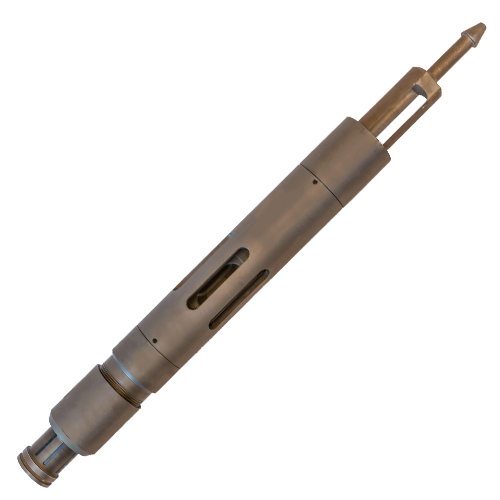
KhalidX Energy engineering methodologies focus on high-precision, low-vibration intervention tools that preserve the integrity of the cement sheath while executing required cleanout, drift restoration, or tubular remediation.
Key Takeaways:
- Minimizing downhole torque and vibration to safeguard primary cement barriers
- Thermal modeling to predict mechanical behavior during cold-fluid circulation
- Ensuring wellbore stability and zonal isolation throughout the thermal cycle
Permanent Isolation
Gas-tight mechanical barrier assurance
Thermal Resilience
Tested under extreme wellbore cycles
Rigless Deployment
Drastic footprint & cost savings